

Sludge accumulation is the single biggest driver of septic system failure, and it builds silently. Every household produces a layer of settled solids at the bottom of the tank and a floating scum layer at the top. Between those two layers is the liquid effluent that flows out to the drainfield. When pumping is skipped too long, the sludge and scum layers grow until they crowd out that liquid zone entirely. Solids push into the outlet baffle, then into the drainfield lines, and biomat forms in the soil. Replacing a drainfield in the Van Nuys, CA area runs anywhere from $8,000 to $25,000 depending on soil conditions and system size. Pumping the tank every three to five years typically costs $300 to $600. The math is not subtle.
What the Pumping Interval Actually Depends On
The three-to-five-year guideline is a starting point, not a fixed rule. Tank size, household size, and what goes down the drains all shift that number significantly. A 1,000-gallon tank serving a family of five fills faster than the same tank serving two people. Garbage disposals accelerate sludge buildup by adding ground food solids that do not break down as quickly as human waste. So does excessive use of antibacterial soaps, which kill the bacterial population inside the tank that handles decomposition.
Septic Tank Pumping Guys consistently advises clients to schedule an inspection every two to three years even if they are not ready for a full pump-out. A technician can measure the sludge depth with a sludge judge, a calibrated hollow tube that pulls a core sample from the tank bottom. When sludge reaches 25 to 33 percent of the tank’s liquid capacity, it is time to pump, regardless of what the calendar says. Skipping that check is where homeowners get into trouble.
Properties in Calabasas and the surrounding areas often have older concrete tanks installed decades ago. Concrete tanks develop cracks over time, allowing groundwater infiltration that dilutes the bacterial environment and throws off the tank’s processing capacity. That is another reason inspection matters beyond just measuring sludge depth. A septic tank inspection catches those structural issues before they become emergencies.
The Drainfield Connection Most Homeowners Miss
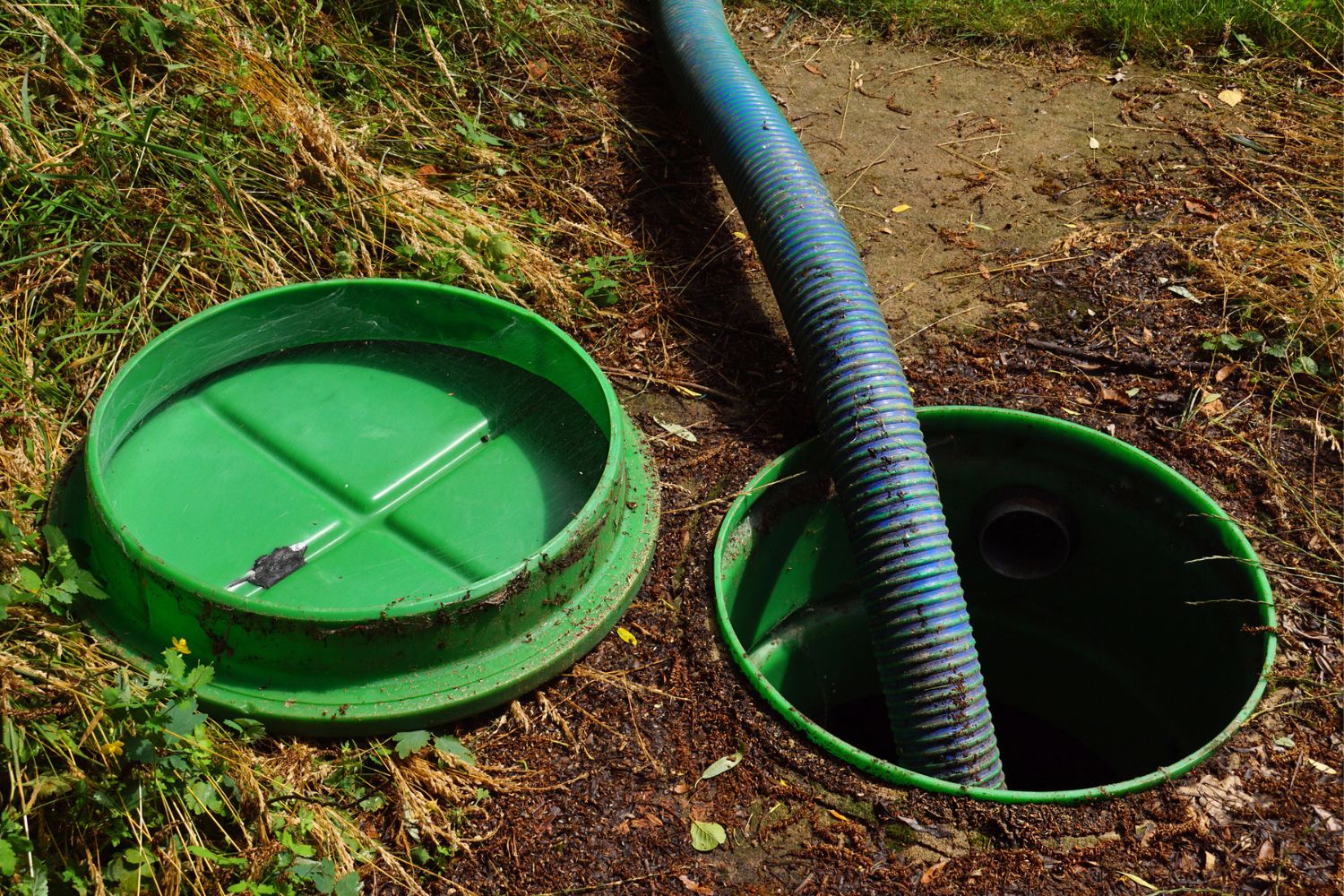
A tank that is pumped on schedule protects more than just the tank itself. The drainfield is the most expensive component of the system, and it is the most vulnerable to neglect. Effluent from the tank flows into perforated pipes buried in gravel-filled trenches, then disperses into the surrounding soil. Healthy soil absorbs and filters that liquid. Overloaded soil does not.
Biomat, a dense black layer of anaerobic bacteria and organic material, forms on the soil surface inside the trenches when solids-laden effluent arrives consistently. Once biomat is established, water backs up. Toilets drain slowly, odors appear in the yard, and wet spots develop over the drainfield. At that stage, the damage is done. Some drainfields can be partially rehabilitated through drainfield repair techniques, but full restoration is not always possible.
The most preventable version of this failure is also the most common: a tank that simply was not pumped often enough. Not a broken pipe, not a design flaw. Just deferred maintenance.
What Happens Inside the Tank Between Pump-Outs
A functioning septic tank is an anaerobic digestion system. Bacteria break down organic waste, reducing its volume and converting it into gases, water, and stable solids. The process works well within a specific range. Overload it with non-biodegradable materials like wipes labeled “flushable,” feminine hygiene products, or excessive grease, and the bacterial community cannot keep pace.
Grease deserves specific attention. It floats, adds to the scum layer, and does not break down efficiently in an anaerobic environment. Over time, a thick grease cap forms that resists normal bacterial action. Technicians from Septic Tank Pumping Guys have opened tanks where the scum layer alone occupied a third of the tank’s volume. That is not a fringe case in the Van Nuys, CA area. It happens regularly in households where cooking grease goes down the kitchen drain.
Enzyme additives marketed as tank treatments have limited value. They do not replace pumping. The solids still accumulate; the only real removal method is a pump truck.
Routine Maintenance as a Long-Term Cost Strategy
Spreading out septic costs over time is genuinely easier than absorbing a large repair bill at once. A consistent pump-out schedule, combined with a periodic sewer camera inspection of the outlet line, gives a clear picture of system health before problems become irreversible. Camera inspections identify root intrusion, pipe offset, and partial blockages that would otherwise go undetected until a backup occurs.
For properties that have not been serviced in years, or where the tank location is unknown, septic tank locating is the logical first step. Older records are often incomplete, and digging blindly to find a tank adds unnecessary cost and yard damage. Locating the tank precisely before any work begins is standard practice for any competent septic tank service provider.
The pattern Septic Tank Pumping Guys sees most often is homeowners who ignored the system for eight to ten years, then faced a drainfield replacement that could have been avoided with two or three routine pump-outs in the interim. Maintenance is not a luxury. It is the cheaper path, by a wide margin.
Septic Tank Pumping Guys is a trusted pumping and maintenance resource for homeowners across Van Nuys, CA and the surrounding communities. For questions or to book service, reach the team at 6360 Van Nuys Blvd Ste 113, Van Nuys, CA 91401, (818) 578-0836.
Frequently Asked Questions
How often should I schedule a pump-out for my septic tank?
Generally, it’s recommended to pump your tank every three to five years. However, factors like tank size, household size, and usage can alter this interval. For example, a 1,000-gallon tank serving a family of five will fill faster than the same tank used by two people.
What should I do to prepare for a septic tank inspection?
You should ensure clear access to the tank’s location for the technician. If you’re unsure where your tank is, septic tank locating may be necessary, especially for older properties with incomplete records. This helps avoid unnecessary digging and yard damage.
What are the signs that my septic tank needs to be pumped?
Signs include slow draining toilets, odors around the yard, and wet spots developing over the drainfield. If sludge reaches 25 to 33 percent of the tank’s liquid capacity, it’s time to pump, regardless of time elapsed since the last service.
What common mistakes should I avoid to prevent septic tank failure?
Avoid putting non-biodegradable materials like wipes, feminine hygiene products, and excessive grease down the drain, as they contribute to sludge buildup. Regular inspections and pumping help catch issues before they escalate, so don’t skip those checks.
Get Directions to Septic Tank Pumping Guys
🎧 Listen to this as a podcast
Also on Apple Podcasts, Spotify, and Amazon Music.