

Two neighbors on the same street can call for a pump-out and get quotes that differ by a hundred dollars or more. Same service, same day, same truck. The difference is almost never arbitrary. Every variable a technician assesses before quoting has a real cost attached to it, and understanding those variables lets you evaluate quotes honestly rather than just picking the lowest number and hoping for the best.
Tank Size and Waste Volume Are Not the Same Thing
Most residential septic tanks in the Chatsworth and Van Nuys, CA area run between 1,000 and 1,500 gallons. Pricing typically starts around a base rate for a standard 1,000-gallon tank, then scales upward for larger capacity. A 1,500-gallon tank costs more to pump than a 1,000-gallon one, and a 2,000-gallon tank costs more still. That part is straightforward.
What surprises homeowners is that actual waste volume matters separately. A tank that has gone four or five years without service will carry a much heavier solids load than one pumped on a regular two-to-three-year schedule. Thick sludge takes longer to break up and extract, which means more time on-site and more wear on the vacuum equipment. Some technicians price by volume pumped; others price by tank size plus a surcharge for heavy sludge. Either way, a neglected tank costs more to service than a maintained one, and the quote will reflect that.
Septic Tank Pumping Guys notes that customers are often surprised to learn their tank is only half-full when pumped, but that the solids layer at the bottom is what drives the cost, not the liquid level alone.
Access Is Where Quotes Diverge the Most
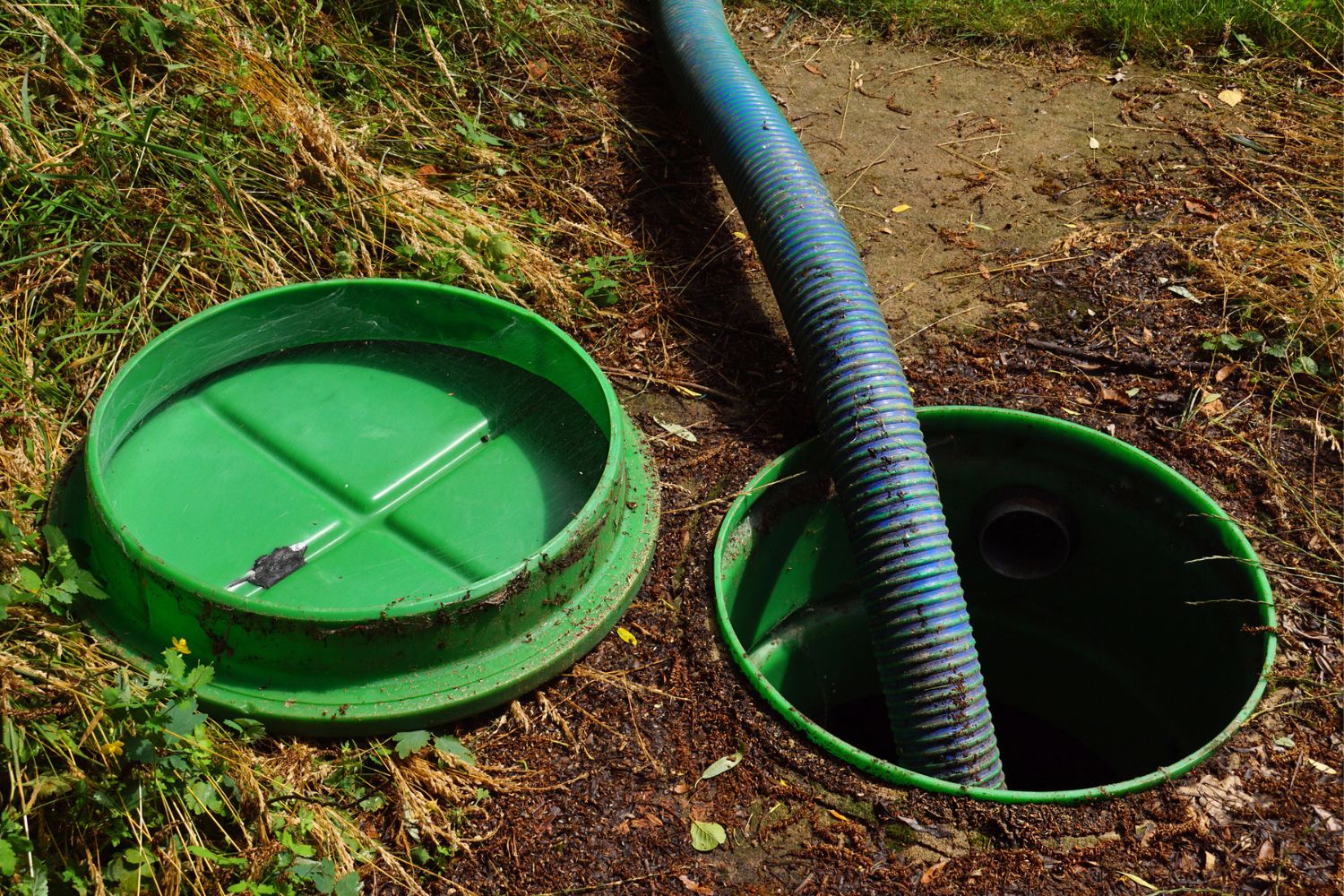
Locating and reaching the tank lid accounts for more price variation than almost any other single factor. A tank with a riser installed at ground level takes minutes to open. A tank buried under eighteen inches of compacted soil, a concrete patio, or a section of landscaping is a different job entirely. Excavation time, even just manual digging, adds labor cost directly to your quote.
Properties along older residential corridors near Devonshire Street or Canoga Avenue sometimes have tanks with no documented location on file. In those cases, a septic tank locating service may need to happen before pumping can even begin, and that is a separate line item. Technicians use probes and sometimes electronic locators to find the tank, and that time is billable. Quoting without knowing tank location is guesswork, which is why reputable companies ask about access before giving a firm number.
Tight vehicle access also matters. A pump truck needs to get within a reasonable distance of the tank. Properties with narrow driveways, low-hanging trees, or obstacles that force the truck to park far from the tank require longer hose runs. Longer hose runs slow the job and can affect suction efficiency, both of which affect cost.
Condition Findings That Change the Scope Mid-Job
A quote given over the phone is an estimate based on what the technician expects to find. What actually gets found inside the tank can change the scope of work. Baffles that have deteriorated, inlet pipes that are partially blocked, or a tank that has taken on groundwater all require additional attention. A thorough septic clean up of a tank in poor condition takes longer and may involve rinsing the interior walls, which uses additional water and extends on-site time.
This is also where a septic tank inspection adds real value. Some companies include a basic condition assessment with every pump-out. Others charge separately. Either way, knowing what you are getting for the price matters. A quote that includes an inspection and a condition report is worth more than one that covers extraction only, even if the number looks higher at first glance.
Septic Tank Pumping Guys recommends asking any company you call whether their quote includes a visual check of the baffles and outlet condition. If the answer is vague, that is useful information about how they operate.
Disposal Fees and Regional Compliance Costs
Once the waste is pumped, it has to go somewhere. Licensed haulers pay tipping fees at approved disposal facilities, and those fees vary by location and waste classification. Residential septic waste is generally straightforward, but tanks serving properties near Hansen Hills or Hidden Hills that have commercial activity or grease-producing kitchens may carry waste that is classified differently and costs more to dispose of legally.
Fuel, truck maintenance, and regulatory compliance all factor into operating costs that honest companies build into their pricing rather than hiding in add-ons. A quote that seems unusually low is worth questioning. Ask specifically whether disposal is included. In the Van Nuys, CA market, reputable operators include disposal in their base quote; those who do not will often add it at the end of the job.
Septic Tank Pumping Guys serves homeowners throughout Chatsworth and Van Nuys, CA and is available to walk through exactly what is included in any quote before work begins. Find them at 6360 Van Nuys Blvd Ste 113, Van Nuys, CA 91401, or call (818) 578-0836 with questions about your specific tank and property.
Frequently Asked Questions
What factors influence the cost of septic tank pumping?
The cost is influenced by tank size, waste volume, access to the tank, and any additional condition findings that arise during service. Larger tanks and those with heavy sludge will generally cost more to pump. Access issues, such as excavation or long hose runs, can also add to the overall price.
How can I prepare for a septic tank pumping service?
To prepare, ensure that the area around the tank is clear of obstructions and accessible for the pump truck. If the tank is buried or has no documented location, consider hiring a septic tank locating service ahead of time to avoid delays and additional costs.
What should I be cautious about when getting quotes for septic tank pumping?
Be wary of unusually low quotes, as they may not include disposal fees or other necessary services. Always ask whether the quote covers a condition inspection and the specifics of what is included, such as any potential additional charges for accessing the tank or handling heavy sludge.
How often should I schedule septic tank pumping?
It’s recommended to pump your septic tank every two to three years to maintain its condition and avoid higher costs associated with neglected tanks. Waiting longer than this can lead to a heavier solids load, making the pumping process more time-consuming and expensive.
Get Directions to Septic Tank Pumping Guys
🎧 Listen to this as a podcast
Also on Apple Podcasts, Spotify, and Amazon Music.