

Most Van Nuys homeowners don’t think about their septic system until something goes wrong, and by then, the problem is usually expensive, messy, and completely avoidable. Septic tank cleaning in Van Nuys, CA isn’t glamorous, but it’s one of the smartest investments you can make in your property. A well-maintained system runs quietly in the background for decades. A neglected one? It announces itself in the worst possible ways, slow drains, foul odors, soggy patches in the yard, and repair bills that can easily run into the thousands.
The Dirty Secret Most Homeowners Don’t Discover Until Year Three
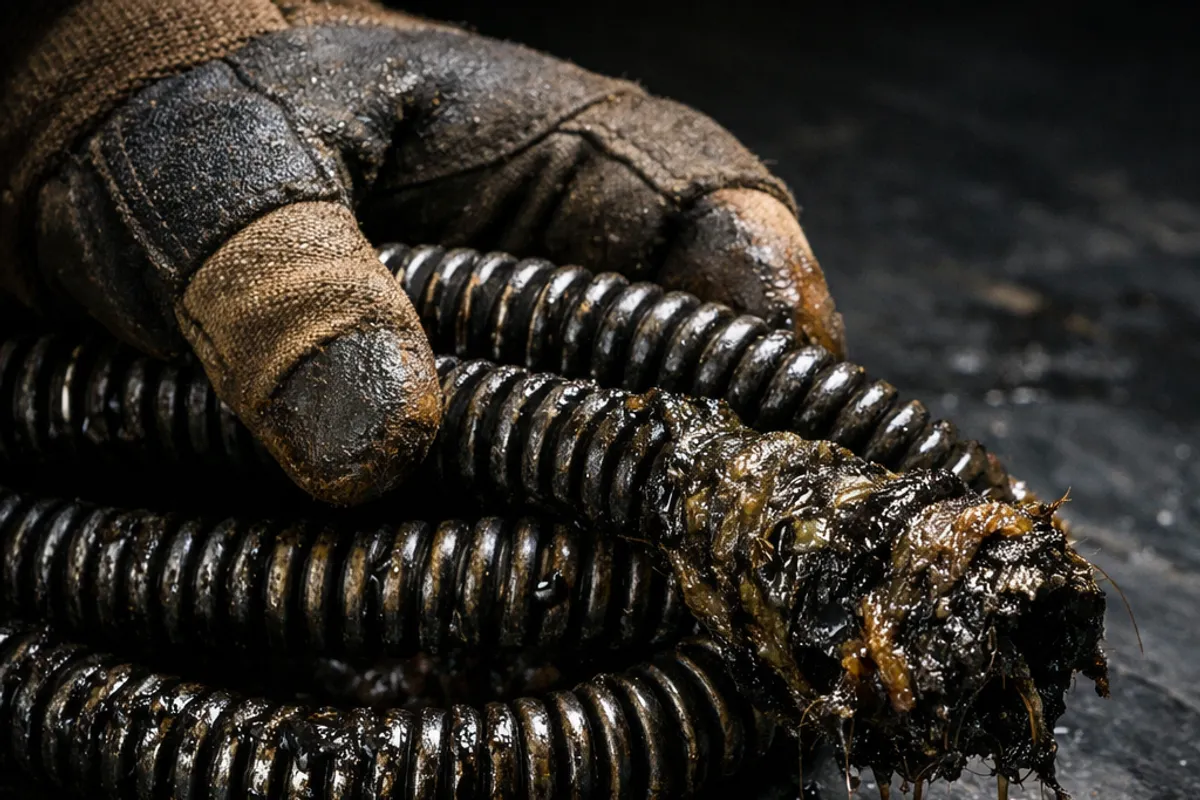
Here’s something that surprises a lot of people: your tank is filling up whether you’re paying attention or not. Every flush, every load of laundry, every shower sends wastewater into the system. Over time, solid waste accumulates at the bottom of the tank as sludge, and a layer of scum floats near the top. The liquid in the middle, the effluent, is what flows out to the drainfield. When sludge and scum build up too much, there’s no room for that effluent to go, and the whole system starts to back up.
Most experts recommend pumping every three to five years, but that’s a general guideline. Larger households, garbage disposal use, and older tanks can push that timeline much shorter. If you’re not sure when your system was last serviced, or if you’ve never had it done, that’s already a reason to pick up the phone. You can also check out these top signs that your tank needs attention to get a clearer picture of where things stand.
What Actually Happens During a Professional Cleaning
A lot of homeowners imagine septic service as a quick in-and-out job. In reality, a thorough cleaning involves more than just vacuuming out the tank. A professional technician will locate the access lids, inspect the inlet and outlet baffles, check for any visible cracks or structural issues, and then pump out the accumulated solids. The tank gets inspected for signs of root intrusion, corrosion, or damage to the lining, things that can quietly worsen over time if nobody’s looking.
At Septic Tank Guys, the team serving the Van Nuys area brings that kind of thorough approach to every job. Customers consistently mention how the technicians take time to explain what they found and what it means, not just pump and leave. That kind of transparency matters when you’re dealing with a system that’s largely invisible and easy to forget about.
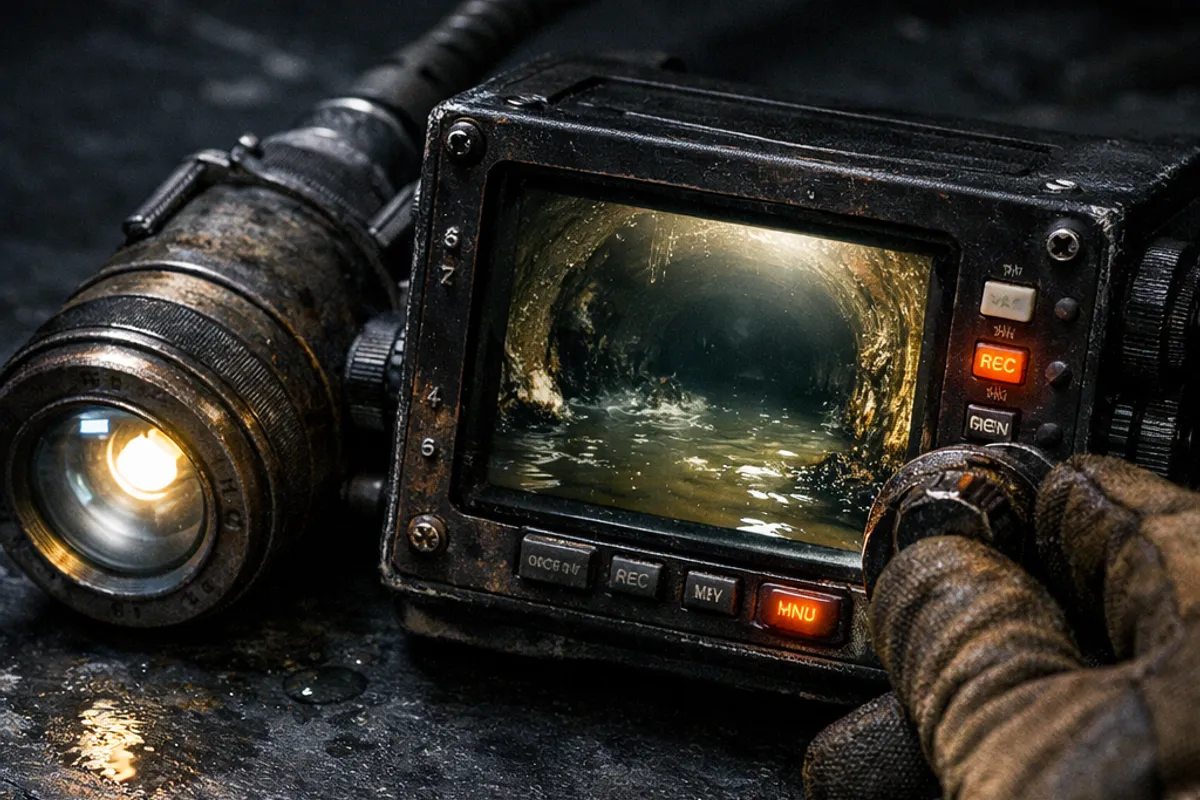
If your system hasn’t been located in years or you’ve moved into a home without records, a professional tank locating service can save you a lot of guesswork before the cleaning even begins.
Why Van Nuys Properties Deserve Extra Attention
The San Fernando Valley’s soil conditions, older housing stock, and the mix of residential and light commercial properties create a unique set of challenges for septic systems in this area. Some neighborhoods have tanks that date back decades, installed under older code requirements with smaller capacities than what modern households demand. Add in the dry summers and occasional heavy rain cycles, and you’ve got conditions that can stress a system that’s already running close to capacity.
Clay-heavy soils common in parts of the Valley don’t absorb effluent the way sandy or loamy soils do. That puts extra pressure on the drainfield, which is often the first thing to fail when a tank goes too long without service. Drainfield repairs are significantly more expensive than routine pumping, and in some cases, a neglected drainfield means full replacement. The math on regular maintenance versus emergency repair is not even close.
If you want a deeper look at what’s at stake financially and practically, this piece on the real risks of putting off septic pumping lays it out plainly.
The Habits That Keep Your System Running Longer
Getting your tank cleaned is step one. Keeping it in good shape between service visits is the part that most homeowners overlook. A few habits make a meaningful difference over time.
First, watch what goes down the drain. Wipes, even the ones labeled “flushable”, don’t break down in a septic tank. Neither do paper towels, feminine hygiene products, or excessive amounts of grease. These materials accumulate faster than organic waste and can cut your pumping interval in half.
Second, be careful with antibacterial soaps and harsh chemical drain cleaners. Your tank relies on a community of bacteria to break down waste. Regularly killing off that bacterial population slows the natural decomposition process and causes solids to build up faster.
Third, protect your drainfield. Don’t park vehicles over it, don’t plant trees with aggressive root systems nearby, and redirect roof runoff and surface water away from the area. A saturated drainfield can’t do its job, and once it fails, you’re looking at a costly fix.
Routine service, smart daily habits, and working with a team that knows the local landscape, that combination is what keeps a septic system running quietly for years without drama. And when it’s time to schedule that next cleaning, don’t wait for the yard to tell you.
Frequently Asked Questions
How do I know if my Van Nuys home’s tank is overdue for pumping if I don’t have any service records?
If you’ve moved into a home without paperwork or simply can’t remember the last time the tank was serviced, that uncertainty alone is reason enough to schedule an inspection, don’t wait for slow drains or yard odors to confirm it. Larger households, garbage disposal use, and older tanks common in the San Fernando Valley can shorten the typical three-to-five-year pumping window considerably. A professional can locate the tank, assess the sludge and scum levels, and tell you exactly where things stand.
What does a technician actually do during a service visit beyond just pumping out the tank?
A thorough visit includes locating the access lids, inspecting the inlet and outlet baffles, checking for cracks, root intrusion, corrosion, and any damage to the tank lining, not just vacuuming out the solids. These are problems that can quietly get worse over time if nobody looks for them during routine service. A good technician will also walk you through what they found so you understand the condition of a system that’s otherwise completely out of sight.
Why are Van Nuys properties considered higher risk for drainfield problems compared to other areas?
Parts of the San Fernando Valley have clay-heavy soils that don’t absorb effluent well, which puts extra strain on the drainfield even when the tank itself is functioning normally. On top of that, a lot of local housing stock has older tanks installed under previous code requirements, meaning smaller capacities than what today’s households actually use. When a tank goes too long without service in those conditions, the drainfield is usually the first thing to fail, and replacing one costs significantly more than years of routine pumping.
Are “flushable” wipes actually safe to put into a septic system?
No, despite the label, flushable wipes don’t break down inside a septic tank the way toilet paper does, and they accumulate alongside paper towels, grease, and feminine hygiene products as solid material the system can’t process naturally. That buildup can cut your normal pumping interval in half, meaning you’re paying for more frequent service just because of what’s going down the drain. Keeping those materials out of the system is one of the simplest ways to extend the time between service visits.
Can using antibacterial soap or chemical drain cleaners cause real damage to a septic system?
Yes, because your tank depends on a live bacterial population to break down waste, regularly introducing antibacterial products or harsh chemical cleaners kills off that bacteria and slows the natural decomposition process. When solids don’t break down at the normal rate, they accumulate faster and push you toward more frequent pumping. It’s not about eliminating these products entirely, but being mindful of how often and how much goes down the drain makes a measurable difference over time.
Get Directions to Septic Tank Pumping Guys
🎧 Listen to this as a podcast
Also on Apple Podcasts, Spotify, and Amazon Music.