

Most homeowners call a pumping service after something has already gone wrong. A slow drain, a smell coming up through the yard, a gurgling toilet that won’t quit. By that point, the job is harder, the urgency is real, and the options are narrower. Timing a pump-out before the system pushes back is almost always cheaper, faster, and less disruptive than reacting to a failure. The question is knowing when to move, how far ahead to book, and what realistic lead times look like in a busy service corridor like Canoga Park and Van Nuys, CA.
Why the Calendar Works Against You If You Wait
Pumping trucks run full schedules on short notice more often than most people expect. Property sales, escrow inspections, and permit requirements all create sudden demand, and those calls tend to cluster. A homeowner who just received a notice from a buyer’s inspector needs service within days, not weeks. That kind of urgent booking pushes out routine appointments and compresses availability across the board.
Septic Tank Pumping Guys sees this pattern repeat itself consistently. According to their crew, the window between “we should probably get this done” and “we need it done now” collapses fast once a system starts showing symptoms. Tanks that are 80 to 90 percent full can tip into backup territory with one heavy rain event or a weekend of heavier-than-usual household use. At that level, a two-day wait for a truck becomes a real problem.
Booking four to six weeks ahead of when you think you’ll need service is a reasonable buffer under normal conditions. During periods when permit activity and real estate transactions are high, that buffer should stretch closer to eight weeks. This is not about scarcity for its own sake. It reflects the reality that a single pumping truck can only run so many jobs per day, and drive time between properties along corridors like Sepulveda Blvd and Roscoe Blvd adds up.
What Demand Actually Does to Price and Availability
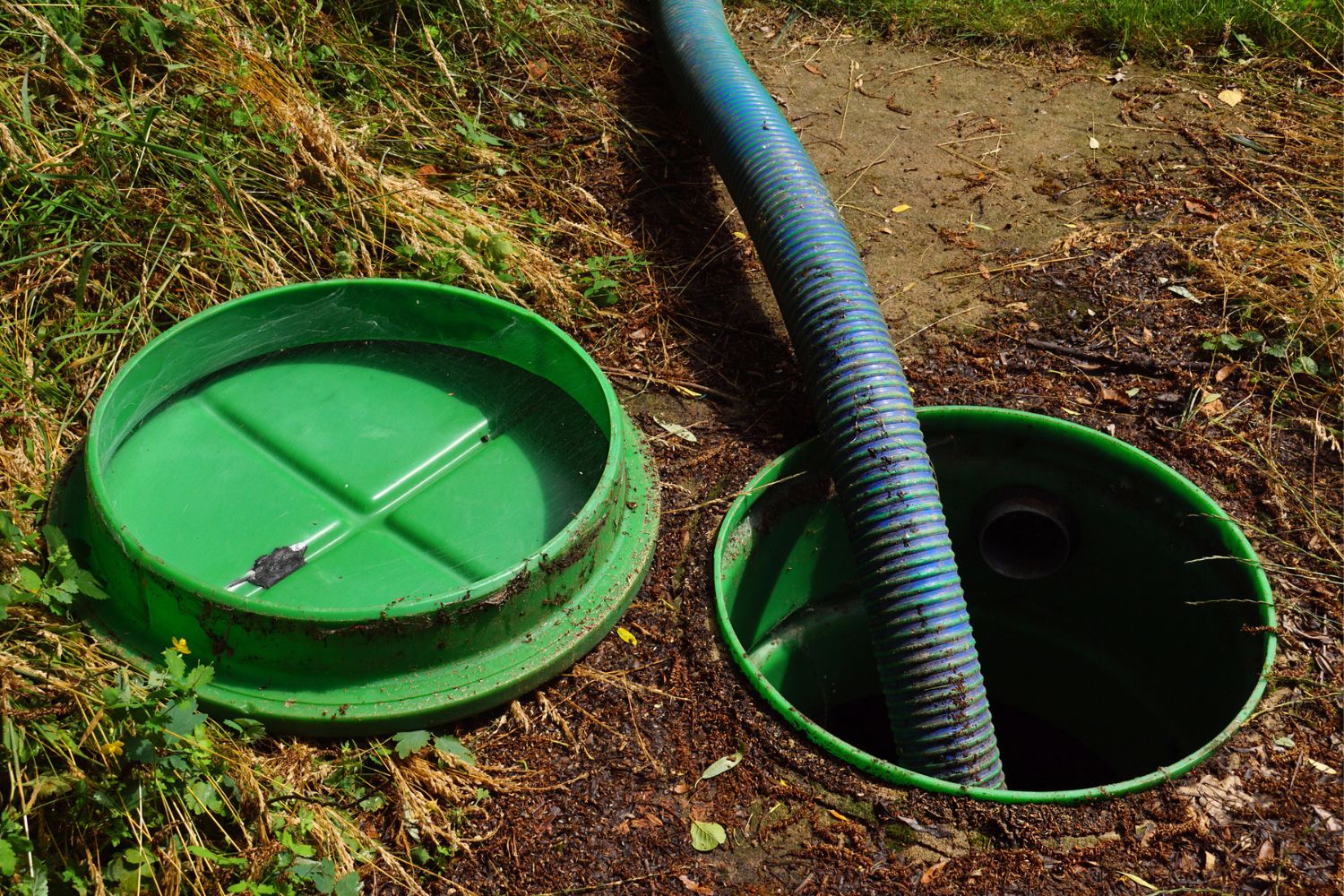
Pricing for a standard pump-out in this area generally runs between $300 and $600 for a residential tank, depending on size, access, and how long it has been since the last service. A tank that has gone five or six years without attention takes longer to pump and may require more effort to locate and open if the lid has settled or been buried. That extra time shows up in the final cost.
High-demand periods do affect scheduling more than they affect base pricing, but availability is its own form of cost. If you need an emergency dispatch because your system backed up on a Friday afternoon, expect to pay a premium for same-day or next-morning service. That surcharge can add $150 to $250 to a job that would have been routine if booked in advance. The math strongly favors planning ahead.
Older properties in the Van Nuys, CA area sometimes still rely on cesspools rather than modern septic systems. Cesspool pumping runs on a similar scheduling logic, but the service intervals are typically shorter and the access points can be more complicated, which means lead time matters even more for those properties. If you are not sure what type of system you have, a septic tank locating call before booking a pump-out can save a wasted trip.
How Long the Job Actually Takes
A straightforward residential pump-out on a well-maintained system with an accessible lid takes roughly 30 to 60 minutes from the time the truck arrives. That includes setup, the actual vacuum work, a visual check of the tank interior, and cleanup. The crew is not rushing. That pace is what a proper job looks like.
Jobs that run longer usually fall into a few predictable categories. Tanks that have not been pumped in more than three years tend to have thicker sludge layers that require more time to fully evacuate. Lids buried under landscaping or concrete add time for access. Systems where the inlet or outlet baffle is damaged may prompt the crew to flag the issue and recommend a septic tank inspection before the job wraps up. That is not upselling. A cracked baffle left in place will cause the same call again in 12 months.
For properties in areas like Granada Hills or further out along the Van Nuys corridor, drive time to the job is a real variable. Septic Tank Pumping Guys routes trucks to minimize travel gaps between jobs, but customers who book late in the day sometimes absorb that extra window. Morning appointments tend to run closer to their scheduled time.
What to Have Ready Before the Truck Arrives
The single most useful thing a homeowner can do before a pump-out is know where the tank lid is. If that information is not in any paperwork and the yard has changed since the system was installed, call ahead so the crew can plan for a locate. Showing up to a job where the lid is unknown adds time and cost that neither party wants.
Clear the access path to the tank. Vehicles, garden equipment, and potted plants parked over the lid area are common delays. Make sure a responsible adult is present or reachable by phone during the appointment. If the crew finds something worth discussing, such as a high water level relative to the inlet, they need to be able to reach someone on the spot, not leave a note.
Keep records of prior pump-outs if you have them. Knowing the last service date helps the crew calibrate what to expect before they open the lid, and it informs any recommendations they make about future intervals. A system pumped 18 months ago that is already full tells a different story than one that went four years and is still in reasonable shape.
Septic Tank Pumping Guys serves Canoga Park and Van Nuys, CA and the surrounding communities. For scheduling questions or to book a pump-out, the office is located at 6360 Van Nuys Blvd Ste 113, Van Nuys, CA 91401, and can be reached at (818) 578-0836.
Frequently Asked Questions
How far in advance should I schedule septic tank pumping?
It’s advisable to book your pumping service four to six weeks ahead of when you think you’ll need it under normal conditions. During busy periods, like high real estate activity, extending that buffer to eight weeks is recommended to ensure availability.
What should I do to prepare for the pump-out service?
Before the truck arrives, it’s crucial to know the location of your tank lid and clear the access path to it. Make sure a responsible adult is present or reachable by phone to discuss any findings with the crew.
What factors affect the cost of septic tank pumping?
The cost for a standard pump-out typically ranges from $300 to $600, depending on the tank size, accessibility, and how long it has been since the last service. Tanks that haven’t been pumped in five or six years may incur additional charges due to longer pump times and extra effort required for access.
What are common mistakes homeowners make when scheduling pumping services?
A common mistake is waiting too long to schedule a pump-out, resulting in potential backups and emergency service needs. Additionally, not knowing the tank lid’s location can cause delays and added costs, making it essential to have that information ready before the appointment.
Get Directions to Septic Tank Pumping Guys
🎧 Listen to this as a podcast
Also on Apple Podcasts, Spotify, and Amazon Music.