

Most homeowners think pumping a septic tank is a simple, one-size-fits-all job. Call someone, they show up, they pump it out, done. The reality is considerably more complicated, and the gap between what customers expect and what the work actually involves is where most of the frustration comes from. Tank size, household habits, system age, soil conditions, and how long it has been since the last service all shape what a technician finds when they open the lid. Getting those factors wrong leads to either overpaying for service you did not need or underpaying for a job that was not finished properly.
Why Tank Size Is Only Part of the Equation
A 1,000-gallon tank and a 1,500-gallon tank do not simply require proportionally more or less time. What matters just as much is what is inside. A tank that has gone six or seven years without service will have a thick, compacted sludge layer at the bottom that resists pumping and may require the technician to work the hose in multiple positions to pull everything out cleanly. A tank serviced two years ago by a crew that did a rushed job might look fine on paper but still hold a surprising amount of residual solids. Septic Tank Pumping Guys notes that one of the most common surprises on a service call is a tank that was supposedly pumped recently but still shows a sludge layer several inches deeper than it should be. That does not mean the previous company was dishonest. It often means the job was done too quickly, without proper agitation of the contents before extraction.
Pricing reflects this. A straightforward pump on a well-maintained 1,000-gallon tank might run $300 to $450 in the Van Nuys, CA area. Add in a tank that has been neglected, a difficult access point, or a second compartment that needs separate attention, and the cost climbs. None of that is padding. It is the actual labor involved.
Urgency Changes Everything About the Job
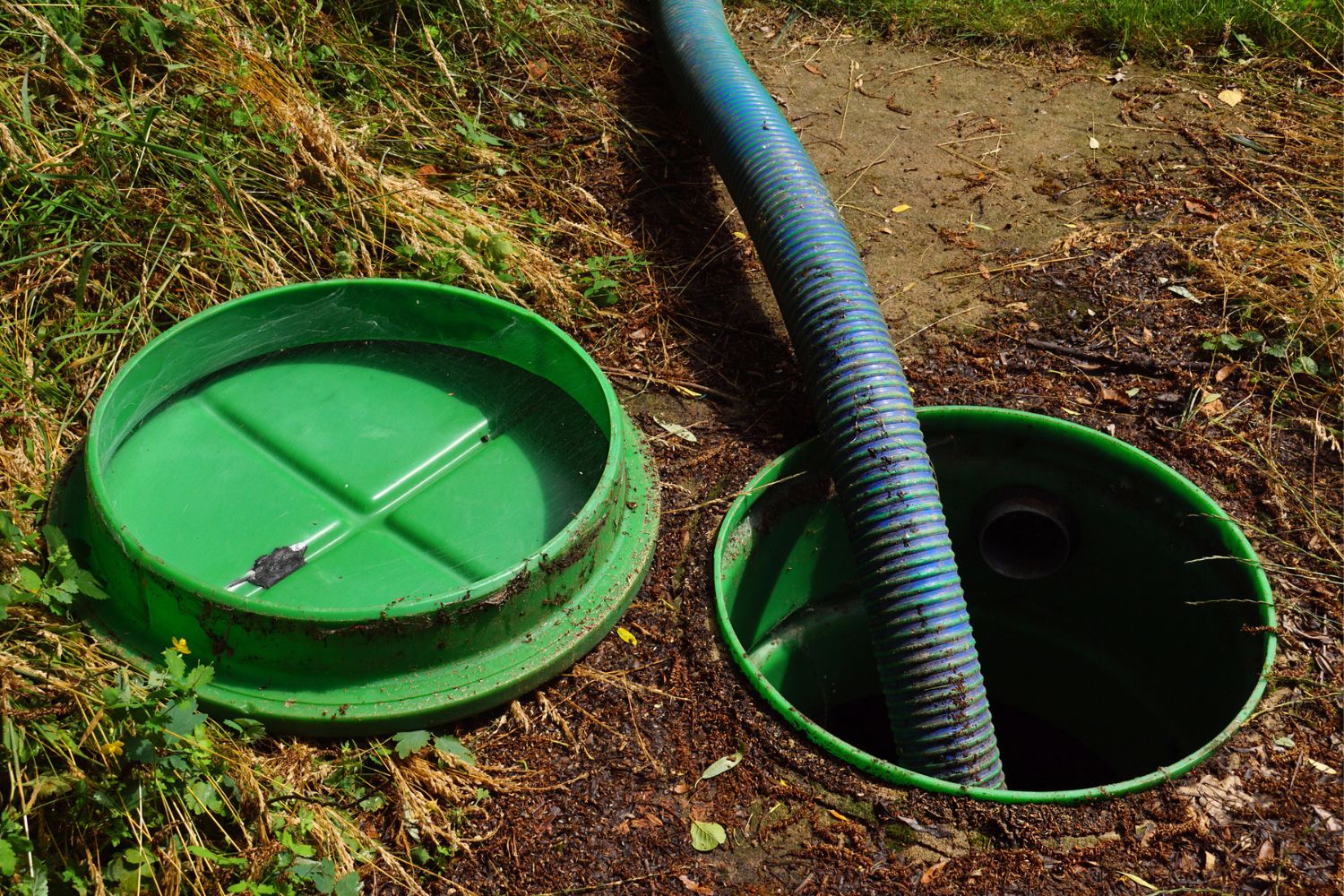
There is a meaningful difference between scheduling routine maintenance and calling because sewage is backing up into a shower drain. When a system is in active failure, the technician’s first job is not pumping. It is diagnosing. A backup can come from a full tank, but it can also come from a blocked inlet baffle, a collapsed outlet, or a saturated drainfield that cannot accept effluent regardless of how empty the tank is. Pumping a tank when the real problem is the drainfield will give temporary relief, sometimes a few days, sometimes a few hours. It does not fix anything.
This is where a septic tank inspection before or alongside pumping becomes genuinely useful rather than an upsell. Knowing the condition of the baffles and the outlet before the tank is emptied gives the technician information that disappears once the liquid level drops. Emergency calls in Burbank and Van Nuys tend to happen on weekends or after a heavy-use event, and they carry higher service rates. That is not arbitrary. Mobilizing a truck and crew outside normal hours costs more, and customers who understand the urgency premium are less likely to feel blindsided by the invoice.
What You Actually Control Before the Truck Arrives
Access is the single biggest variable a homeowner can influence. A tank lid buried under two feet of soil, a concrete patio poured over the access point, or a yard with no clear path for a service vehicle can turn a routine call into a two-hour excavation job before pumping even begins. Customers who have had their tanks located and risers installed above ground save real money on every subsequent service visit. If you are not sure where your tank is, septic tank locating is a straightforward service that pays for itself quickly.
Beyond access, what goes into the system matters. Households that use a garbage disposal heavily, flush non-biodegradable wipes, or pour grease down the drain will fill a tank faster and with material that is harder to pump. A 1,000-gallon tank on a two-person household with careful habits might go four or five years between services. The same tank size on a household of five with a disposal running daily might need attention every 18 months. Septic Tank Pumping Guys recommends that customers think of pumping frequency as a function of actual load, not just household size, because the math changes significantly based on daily habits.
The Complexity Behind a Routine Service Call
Properties along the older residential corridors near Van Nuys Boulevard sometimes have systems that were installed decades ago, before current standards. Tanks may be undersized for the structure they serve, built from materials that have degraded, or connected to drainfields that were never properly engineered. Running a thorough septic tank cleaning on a system like that is a different job than servicing a modern installation with clear records and easy access. The technician has to work more carefully, check more components, and communicate more clearly with the homeowner about what the system can and cannot handle going forward. That complexity is real, and it is reflected in both time and cost.
For customers in Burbank who are buying or selling a property, or anyone whose system has no service history on file, the smart move is to treat the first service call as an assessment, not just a pump-out. What the technician learns during that visit shapes every maintenance decision that follows.
Septic Tank Pumping Guys serves homeowners and property managers throughout Van Nuys, CA and the surrounding area, including Burbank, with straightforward, experience-based service. If you have questions about what your system actually needs, they can be reached at 6360 Van Nuys Blvd Ste 113, Van Nuys, CA 91401, (818) 578-0836.
Frequently Asked Questions
How often should I have my septic tank pumped?
The frequency of pumping depends on household habits, tank size, and how much waste is generated. A 1,000-gallon tank in a two-person household with careful habits might go four to five years between services, while the same tank in a five-person household with a garbage disposal may need attention every 18 months.
What should I do to prepare for a septic tank pumping service?
Access is crucial for a smooth service call. Make sure the tank lid is not buried under soil or obstructed by structures, and consider having risers installed above ground to save time and costs in the future.
What factors can affect the cost of septic tank pumping?
Cost can vary based on tank size, the condition of the tank, and access difficulties. For example, a straightforward pump on a well-maintained 1,000-gallon tank might range from $300 to $450, but costs can increase if the tank has been neglected or if there are multiple compartments needing attention.
What common mistakes should I avoid regarding my septic tank?
Avoid flushing non-biodegradable items, using a garbage disposal heavily, or pouring grease down the drain, as these can fill your tank faster and create more challenging material to pump. Additionally, don’t skip having a septic tank inspection before or alongside pumping, especially when there are signs of backup or if you’re unsure of your system’s history.
Get Directions to Septic Tank Pumping Guys
🎧 Listen to this as a podcast
Also on Apple Podcasts, Spotify, and Amazon Music.