

Most homeowners only think about their cesspool when something goes wrong, and by that point the cost of the service call tends to feel like a surprise. It does not have to be. The price of pumping a cesspool is driven by a handful of real, concrete factors, and understanding them before you pick up the phone will help you make a smarter decision, avoid unnecessary charges, and know when a higher quote is actually justified.
Tank Size, Waste Volume, and the Work Underneath
The single biggest driver of cost is how much material needs to come out. Cesspool pumping is priced largely on volume, and residential cesspools in the San Fernando Valley area typically run between 500 and 1,500 gallons. A larger tank that has gone too long between service visits will take more truck capacity, more time, and more disposal fees at the receiving facility. That is not padding on the invoice. It is the actual cost of moving waste.
Sludge depth matters just as much as tank size. A cesspool that is 80 percent full of compacted solids takes significantly longer to pump than one that is 40 percent full. Technicians sometimes need to break up solids manually or run water to loosen material before the vacuum hose can clear it efficiently. That labor time adds to your total, and it is entirely avoidable with regular service intervals, typically every two to three years for a household of four.
Access is another factor that rarely gets mentioned upfront. If the lid is buried under soil, concrete, or landscaping, a technician has to locate and expose it before any pumping can begin. Septic Tank Pumping Guys notes that buried lids are one of the most common reasons a routine service call runs longer than expected. Knowing where your lid is and keeping it accessible is one of the easiest ways a homeowner can keep costs predictable.
Distance, Location, and What the Truck Has to Deal With
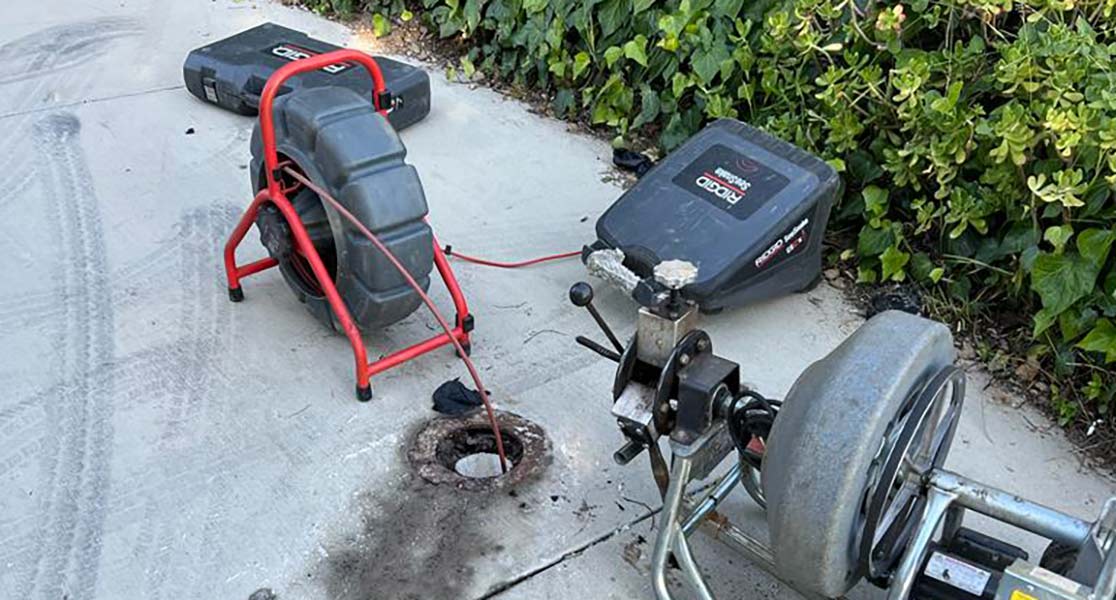
Pump trucks are large, heavy vehicles. A property where the truck cannot get within a reasonable distance of the cesspool requires longer hose runs, which slows the job and can affect the quality of the pump-out. Properties in Winnetka and Van Nuys, CA with tight side yards, low-clearance gates, or soft ground after irrigation can all create access complications that affect the time a crew spends on site.
Disposal costs also vary by distance to an approved receiving facility. The farther the truck has to travel to offload, the more that gets factored into regional pricing. It is a real operating cost, not an arbitrary line item. Providers serving the Van Nuys, CA area factor local disposal routes into their base rates, so comparing quotes from companies operating out of different service zones is not always an apples-to-apples comparison.
Where Paying More Is Actually Worth It
A low quote can mean a fast, incomplete pump-out. Skimming the liquid layer without pulling the settled solids at the bottom leaves the cesspool filling back up faster than it should. Ask any provider what percentage of solids they expect to remove and how they verify the job is done. A reputable crew will run the hose to the bottom of the tank, not just the surface.
Paying for a septic tank inspection at the time of service is worth the added cost if you have not had one recently. A technician who is already on site can check the condition of the cesspool walls, identify early signs of failure, and flag whether the system is handling waste the way it should. Catching a problem at inspection is far cheaper than dealing with it after a backup. If your system has not been inspected in several years, combining the two services in one visit is the efficient choice.
For properties with older or poorly documented systems, adding a septic tank locating service before the pump-out saves time and avoids guesswork. Digging in the wrong spot costs money and damages landscaping. Knowing exactly where the system sits before the truck arrives is a small investment that pays for itself immediately.
Where You Can Save Without Cutting Corners
Scheduling matters. Emergency or weekend calls cost more than routine appointments during the week. If your system is not in crisis, booking ahead during normal business hours is the simplest way to reduce the bill without sacrificing service quality. Homeowners near Canoga Park or elsewhere in the Valley who stay on a consistent pumping schedule also tend to pay less per visit over time, because their systems never reach the point where extra labor is required to clear compacted waste.
Bundling services when the truck is already on site is another practical way to get more value. If you have been considering a camera inspection or sewer jetting, doing it during the same visit avoids a second mobilization charge. The truck is there, the crew is there, and the incremental cost of adding a related service is lower than scheduling it separately.
Septic Tank Pumping Guys serves homeowners throughout Winnetka and Van Nuys, CA and can give you a straightforward estimate based on your system’s actual size and condition. The office is located at 6360 Van Nuys Blvd Ste 113, Van Nuys, CA 91401, and you can reach the team at (818) 578-0836. If you have questions about what your specific system needs, they are a practical local resource worth calling before you commit to any service.
Frequently Asked Questions
What factors influence the cost of the service?
The main factors include tank size, waste volume, and the depth of sludge. Larger tanks with more compacted solids require more time, truck capacity, and disposal fees, which all contribute to the overall cost.
How can I prepare for a service visit to keep costs down?
Ensure that the lid of your system is accessible and not buried under soil or landscaping. Knowing the location of your lid can save time and prevent additional charges associated with locating and exposing it.
What should I watch out for when comparing service quotes?
Be cautious of low quotes, as they may indicate a quick, incomplete job. Always ask how much of the solid material the service provider expects to remove and how they verify the job is done properly to avoid future issues.
How often should I schedule this service to avoid higher costs?
Regular service intervals, typically every two to three years for a household of four, can help avoid higher costs associated with more extensive pumping needs. Staying on a consistent schedule means your system is less likely to experience compacted waste, which requires extra labor to clear.
Get Directions to Septic Tank Pumping Guys
🎧 Listen to this as a podcast
Also on Apple Podcasts, Spotify, and Amazon Music.