

Knowing exactly when to pump septic tank installations is essential for protecting your property’s plumbing infrastructure, preserving soil absorption capacity, and preventing catastrophic sewage backups. For property owners across Van Nuys, California, managing wastewater systems demands an acute understanding of how household volume and local climate factors impact subterranean bacterial activity. Misconceptions abound regarding waste decomposition, with many assuming that regular additive treatments eliminate the physical necessity of pumping out accumulated sludge.
In reality, anaerobic digestion only reduces a fraction of incoming organic matter, leaving dense inorganic sediments and unyielding scum layers that permanently occupy functional tank capacity. In the dense suburban landscape of the San Fernando Valley, high ambient temperatures accelerate primary decomposition but cannot prevent solids from eventually reaching the outlet baffle. Ignoring these volume thresholds risks forcing suspended solids directly into the drainfield, leading to irreversible soil clogging, expensive structural repairs, and severe environmental health hazards that could have been avoided with proactive scheduling.
Signs it’s time to pump
Recognizing the primary physical indicators that your septic tank requires service prevents localized plumbing failures from escalating into full drainfield replacements. The most immediate early warning sign is sluggish drainage across multiple fixtures inside the home, often accompanied by distinct gurgling sounds emanating from lowest-level floor drains, bathtubs, or toilets. When wastewater lines drain slowly despite clear internal traps, accumulated solids inside the primary chamber are restricting normal hydraulic displacement. Furthermore, persistent foul odors resembling hydrogen sulfide around the septic tank access cover or across the absorption field indicate that gases are escaping past saturated soil barriers or venting backward through structural inspection ports.
Above-ground biological changes provide equally critical evidence of underlying volumetric saturation. An unusually lush, vibrant patch of grass growing directly over the septic footprint or absorption trenches signals that effluent rich in nitrates is surfacing rather than dissipating evenly through deep soil strata. In advanced stages of delay, semi-solid pooling or dark, spongy soil patches emerge, signifying that wastewater can no longer percolate downward through the biological crust. Once waste begins to pond above the grade or back up into household shower pans, the system has exceeded safe operating capacity and demands urgent professional mechanical evacuation to avert complete drainfield failure.
The best time of year to pump
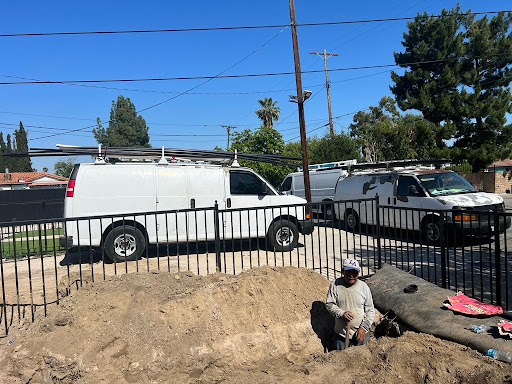
Timing your septic pumping service around regional climatic patterns ensures optimal access, minimal yard disruption, and efficient mechanical extraction. In Van Nuys, the dry summer and early autumn months present the most favorable conditions for septic tank maintenance. During these arid periods, groundwater tables are at their lowest seasonal levels, which prevents hydrostatic back-pressure from exerting undue force on empty concrete walls after wastewater removal. Additionally, parched soil conditions allow heavy vacuum equipment to navigate access driveways without causing severe turf rutting, subsoil compaction, or unnecessary surface disturbance above delicate absorption lines.
Conversely, scheduling tank pumping prior to the winter rainy season safeguards your system against peak hydraulic loads. Heavy winter precipitation naturally saturates the local soil profile, reducing the leach field’s capacity to absorb household greywater. If a septic tank enters the wet season already carrying elevated sludge levels, the sudden introduction of storm runoff can trigger immediate subterranean flooding, sending untreated effluent toward the surface. By clearing settled solids and floating grease layers in late summer or early fall, you restore maximum chamber capacity, ensuring the system processes fluctuating domestic volume smoothly throughout adverse weather cycles.
How long a pumping service takes
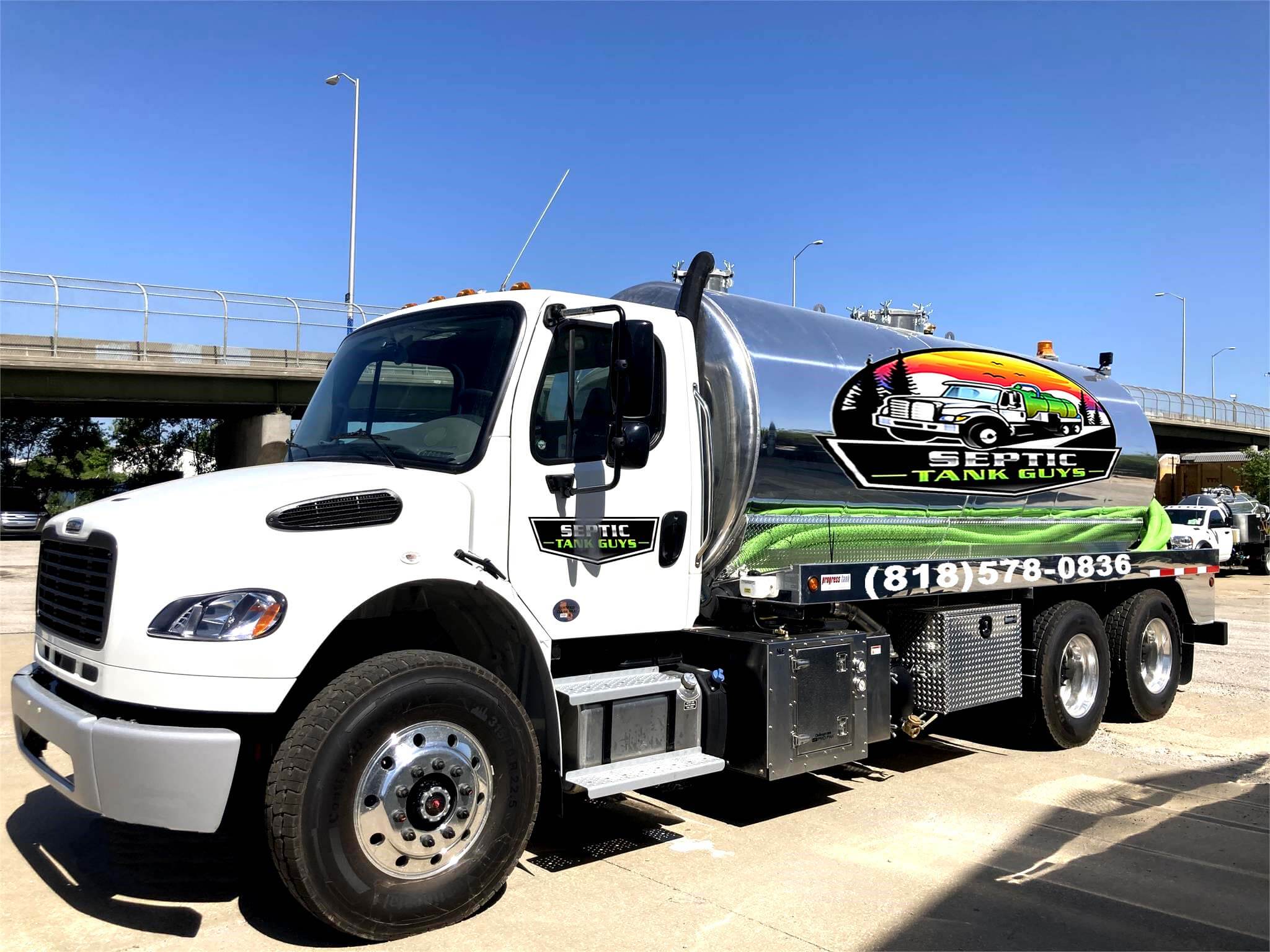
A standard residential septic tank pumping appointment typically requires between 45 and 90 minutes to execute safely and thoroughly. When utilizing the specialized services of septic tank pumping in Van Nuys, the primary technician begins by locating and exposing the structural access risers, followed by an immediate visual assessment of liquid depth relative to the structural baffles. If access lids are buried beneath dense soil or decorative hardscaping, the manual excavation phase may add an extra 30 minutes to the total service window, emphasizing the functional value of installing permanent above-grade access risers.
Once access is secured, the vacuum evacuation process takes approximately 20 to 35 minutes depending on the total gallon capacity and waste density. Professional technicians utilize high-powered vacuum hoses combined with mechanical agitation or backflushing tools to break apart compacted sludge cakes settled at the tank floor. Merely removing liquid effluent without liquefying and extracting the bottom settled layer defeats the purpose of the maintenance procedure. Technicians also evaluate the physical state of the inlet and outlet baffles and inspect the interior tank walls for cracks before closing and securing all access covers tightly.
Frequently asked questions
Understanding technical maintenance schedules requires clarity on internal digestive processes, operating mechanics, and the genuine limits of subterranean wastewater treatment. Homeowners frequently encounter conflicting advice regarding biological decomposition rates, pumping equipment cycles, and long-term operating intervals. Reviewing verified industry standards empowers property owners to make sensible, cost-effective decisions that extend the operating lifespan of their primary wastewater infrastructure.
To evaluate your property’s specific schedule against recognized standards, consider the broader guidelines outlined in how often should a septic tank be pumped. The following real-world questions address core operating mechanics, debunk persistent maintenance myths, and explain the precise volumetric boundaries governing reliable septic performance.
Do cesspools need to be pumped?
Yes, cesspools require regular pumping. Because cesspools lack a dedicated secondary drainfield, solids and grease accumulate rapidly along perforated retaining walls, sealing soil pores and preventing drainage. Pumping evacuates settled waste, restores liquid capacity, and temporarily reopens subterranean percolation pathways.
How long does poop take to decompose in a septic tank?
Solid human waste typically liquefies within several days to weeks through active anaerobic digestion. However, non-digestible organic byproducts, dead bacteria, and inorganic minerals never break down completely, settling into a dense sludge layer that requires periodic mechanical pumping.
When should a septic pump run?
An effluent septic pump should run only when wastewater inside the pump chamber trips the high-level float switch. The pump operates intermittently, running for several minutes to disperse a measured dose of clarified liquid into the drainfield before shutting down completely.
Can a septic tank go 20 years without being pumped?
A septic tank should never go 20 years without pumping. Even with minimal use, non-biodegradable solids accumulate relentlessly over two decades, eventually choking outlet baffles and discharging raw sludge into the leach field, destroying the absorption bed permanently.
Schedule a diagnostic
Determining your exact pumping interval should never rely on rough guesswork or waiting for catastrophic plumbing failures to reveal themselves. High-volume domestic appliances, garbage disposals, and fluctuating household sizes all accelerate internal solids accumulation, altering maintenance timetables unpredictably. A professional diagnostic assessment utilizes calibrated measuring tools, such as the Sludge Judge, to gauge the precise thickness of the floating scum blanket and bottom sludge layer without invasive digging or premature evacuation expenses.
Property owners throughout Van Nuys, CA, can ensure code-compliant performance and prevent catastrophic drainfield replacements by scheduling a diagnostic evaluation with Septic Tank Pumping Guys at (818) 578-0836. Their certified technical team conducts full structural evaluations, checks effluent filters, and verifies baffle integrity while identifying optimal evacuation intervals tailored strictly to your household discharge rates. Investing in professional diagnostics safeguards your property investment, eliminates plumbing emergencies, and keeps your subterranean wastewater system operating at peak functional performance.

Frequently Asked Questions
Do cesspools need to be pumped?
Yes, cesspools require regular pumping. Because cesspools lack a dedicated secondary drainfield, solids and grease accumulate rapidly along perforated retaining walls, sealing soil pores and preventing drainage. Pumping evacuates settled waste, restores liquid capacity, and temporarily reopens subterranean percolation pathways.
How long does poop take to decompose in a septic tank?
Solid human waste typically liquefies within several days to weeks through active anaerobic digestion. However, non-digestible organic byproducts, dead bacteria, and inorganic minerals never break down completely, settling into a dense sludge layer that requires periodic mechanical pumping.
When should a septic pump run?
An effluent septic pump should run only when wastewater inside the pump chamber trips the high-level float switch. The pump operates intermittently, running for several minutes to disperse a measured dose of clarified liquid into the drainfield before shutting down completely.
Can a septic tank go 20 years without being pumped?
A septic tank should never go 20 years without pumping. Even with minimal use, non-biodegradable solids accumulate relentlessly over two decades, eventually choking outlet baffles and discharging raw sludge into the leach field, destroying the absorption bed permanently.